
Wandering is one of the most frightening behaviors families face with dementia. A loved one may leave the house to “go to work,” look for a childhood home, or simply walk until they’re lost. Many people living with dementia wander at some point, and it can happen even if it never has before. Dementia wandering prevention starts with understanding why it happens.
Quick answer: People with dementia may wander because of confusion, restlessness, boredom, unmet needs like hunger or needing the bathroom, or trying to follow an old routine. Prevention includes regular routines and activity, meeting basic needs, securing doors with alarms or locks, using ID and tracking devices, and having a plan ready in case your loved one goes missing.
Why People With Dementia Wander
- Confusion about time or place: believing they need to go to work or pick up children
- Searching: for a person, a past home, or something familiar
- Restlessness or boredom
- Unmet needs: hunger, thirst, pain, or needing the bathroom
- Stress: noisy or crowded environments
- Late-day restlessness: often called sundowning. See sundowning.
Understanding the reason helps you respond. Our pillar guide to dementia care at home explains how behaviors change by stage.
Warning Signs of Wandering
- Coming back from walks or drives later than usual
- Trying to fulfill old obligations like going to work
- Pacing, restlessness, or repeated attempts to leave
- Asking where family members are, or wanting to “go home” while at home
- Getting lost in familiar places
Dementia Wandering Prevention at Home
Build Routine and Activity
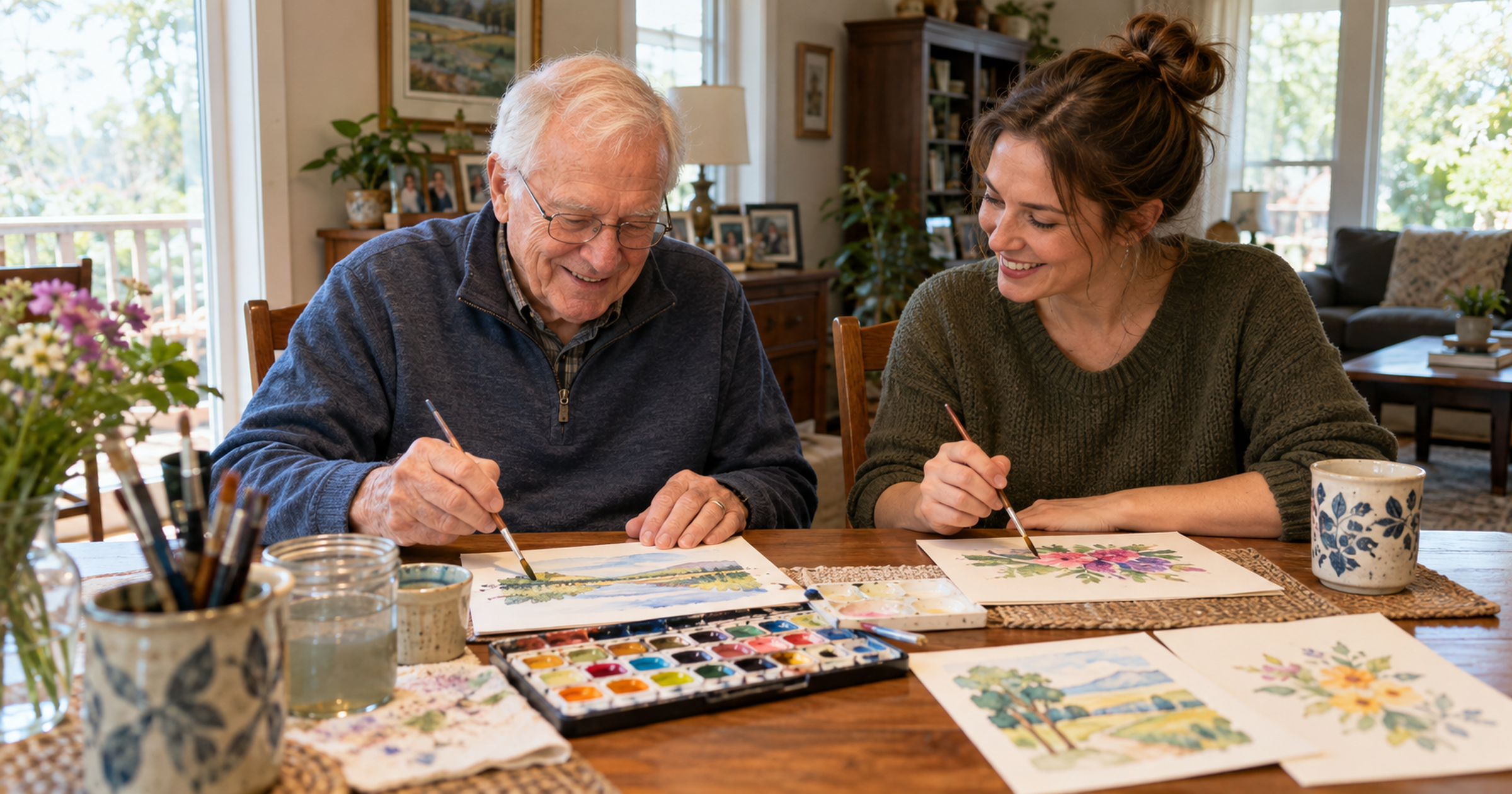
Daily structure, physical activity, and engaging tasks reduce restlessness. See activities for dementia patients at home.
Meet Basic Needs
Make sure your loved one has eaten, had something to drink, used the bathroom, and is comfortable.
Secure the Home
- Install door chimes, alarms, or motion sensors.
- Place locks high or low, out of the usual line of sight.
- Disguise doors with curtains or a painted mural, or place a dark mat in front of doors, which some people avoid stepping on.
- Fence the yard and secure gates.
- Keep car keys out of sight.
More ideas are in how to make a home dementia-friendly.
Avoid Triggers
Busy places and changes in routine can increase anxiety. Plan outings carefully and keep them short.
Supervise, Especially at Key Times
Never leave someone at risk of wandering alone in a car or unfamiliar place. Supervision is especially important in the late afternoon and at night.
Prepare in Case Wandering Happens
- ID: an ID bracelet with name, “memory impaired,” and contact numbers. Sew labels into clothing.
- Tracking: GPS devices, smartwatches, shoe insoles, or phone location sharing.
- Recent photo: keep a current photo and description ready.
- Notify neighbors: let trusted neighbors know and ask them to call if they see your loved one out alone.
- Know likely destinations: former homes, workplaces, churches, or favorite places.
- Register with local programs: some police departments and communities offer registries.
If Your Loved One Goes Missing

- Search the immediate area for no more than about 15 minutes.
- Call 911 and say the person has dementia.
- Share the recent photo and a description of clothing.
- Check likely destinations.
- Stay by the phone or ask someone else to.
Many people who wander are found close to home, but time matters.
Frequently Asked Questions
Can medication stop wandering?
Medications aren’t a primary solution for wandering. Addressing the cause, creating routines, and using safety measures are usually most effective. Talk to the doctor about sudden behavior changes.
Is it safe to lock someone with dementia in the house?
Never leave someone with dementia locked in alone, since they may not be able to escape in an emergency. Door alerts plus supervision are safer.
How Briggs Home Care Can Help
Briggs Home Care’s dementia care provides supervision, structured routines, and engaging activity, especially during high-risk times like late afternoon and overnight. Find a location near you or call 1-833-960-CARE (2273).
Related Reading
- Start here: Dementia Care at Home: A Complete Guide for Families
- Eating and Nutrition Challenges in Dementia
- Managing Aggression and Agitation in Dementia
Trusted outside resource: Alzheimer's Association