
Few things are harder for families than when a gentle, loving parent suddenly shouts, pushes, or lashes out. Dementia aggression and agitation can be frightening and heartbreaking. It helps to remember that these behaviors are usually symptoms of the disease, often a way of communicating a need or fear, rather than a reflection of the person or of your care.
Quick answer: Aggression and agitation in dementia are often triggered by pain, fear, confusion, overstimulation, fatigue, unmet needs like hunger or needing the bathroom, or feeling rushed. Stay calm, don’t argue, look for the cause, simplify the environment, and redirect attention. Keep yourself safe and talk with the doctor about sudden or severe changes.
Why Dementia Aggression Happens
Dementia affects the parts of the brain that control judgment, emotions, and communication. When a person can’t express what’s wrong, frustration can come out as agitation or aggression. Common triggers include:
- Physical discomfort: pain, constipation, infection, hunger, thirst, or needing the bathroom
- Fatigue: especially later in the day. See sundowning.
- Overstimulation: noise, crowds, or too many people talking
- Confusion or fear: not recognizing a person or place
- Feeling rushed or controlled: especially during bathing or dressing
- Changes in routine or environment
- Medication side effects
A sudden change in behavior can signal a medical problem like a urinary tract infection, so let the doctor know.
How to Respond in the Moment

- Stay calm. Speak slowly and softly. Your tone matters more than your words.
- Don’t argue or correct. Logic usually makes things worse.
- Give space. Step back and let the person calm down if it’s safe.
- Validate feelings. “I can see you’re upset. I’m here to help.”
- Look for the need. Are they in pain, hungry, scared, or tired?
- Redirect. Offer a snack, a favorite song, a walk, or a simple task.
- Simplify. Turn off the TV and reduce noise and clutter.
Preventing Agitation
- Keep a consistent daily routine.
- Plan demanding tasks, like bathing, for the person’s best time of day. See bathing a person with dementia.
- Break tasks into simple steps and avoid rushing.
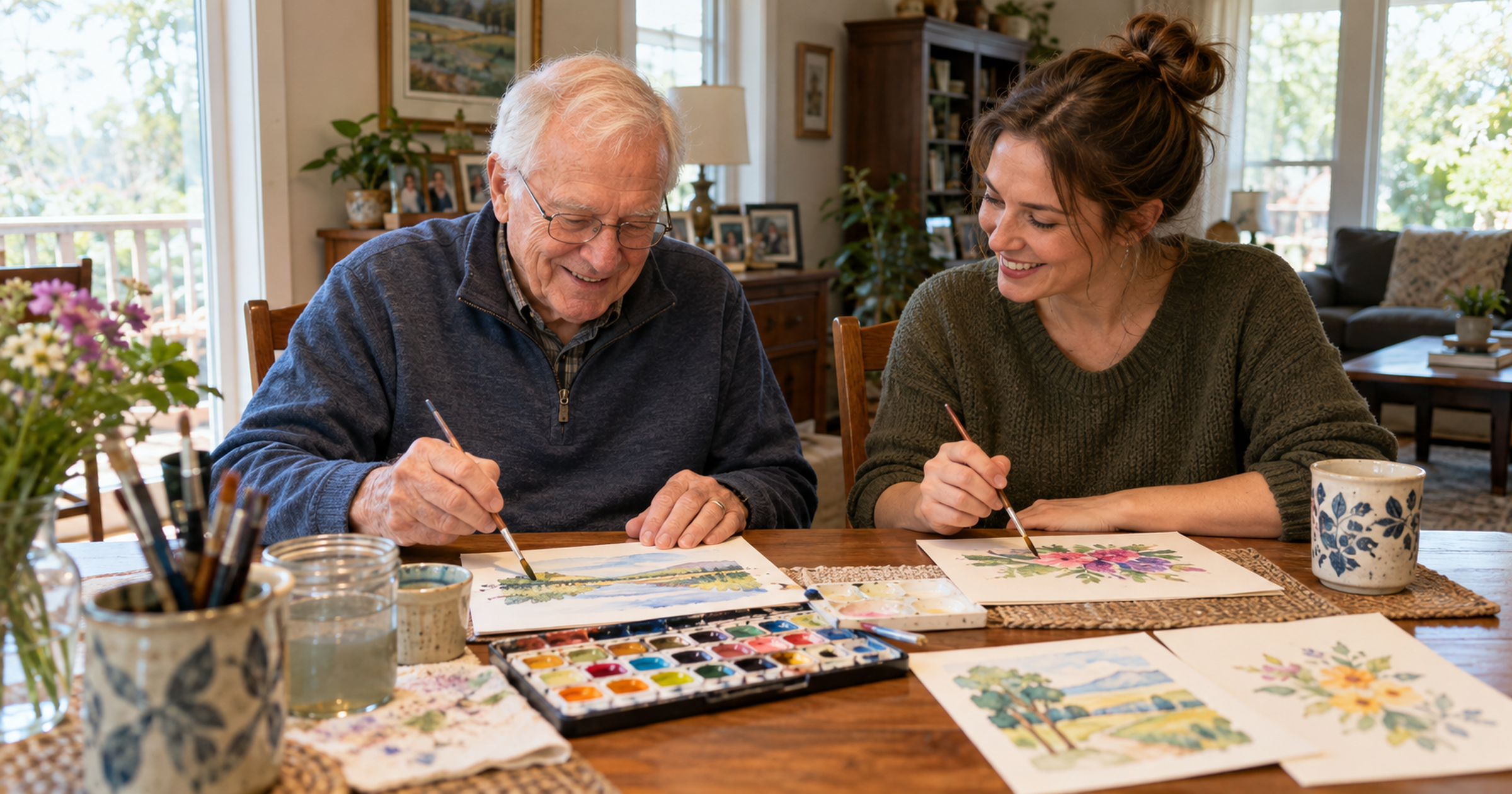
- Provide meaningful activities. See activities for dementia patients at home.
- Make sure basic needs are met throughout the day.
- Keep a journal of incidents to spot patterns and triggers.
Keeping Everyone Safe
- If you feel unsafe, leave the room and give the person time to calm down.
- Remove or lock up potential weapons, including firearms, knives, and tools.
- Don’t try to physically restrain the person.
- Have a plan for who to call for help.
- If anyone is in immediate danger, call 911 and explain that the person has dementia.
When to Talk to the Doctor
Contact the doctor if aggression is new, sudden, worsening, or putting anyone at risk. The doctor can check for pain, infection, or medication issues and discuss options. Non-drug approaches are usually tried first.
Caring for Yourself
Being the target of aggression from someone you love hurts, even when you know it’s the disease. Talk with others who understand; see caregiver support groups. Taking regular breaks helps you stay patient. For the bigger picture, see our guide to dementia care at home.
Frequently Asked Questions
Is aggression a normal part of dementia?
Aggression and agitation are common in some stages of dementia, but they usually have triggers that can be identified and reduced.
What should I never do when someone with dementia is aggressive?
Avoid arguing, raising your voice, rushing, or physically restraining the person. These usually escalate the situation.
How Briggs Home Care Can Help
Briggs Home Care caregivers use calm, patient approaches to dementia care, with consistent routines and engaging activities that help reduce agitation. Learn about our dementia care, find a location near you, or call 1-833-960-CARE (2273).
This article is general information, not medical advice.
Related Reading
- Start here: Dementia Care at Home: A Complete Guide for Families
- Dementia and Wandering: How to Keep Your Loved One Safe
- Sundowning: Why It Happens and How to Help
Trusted outside resource: Alzheimer's Association