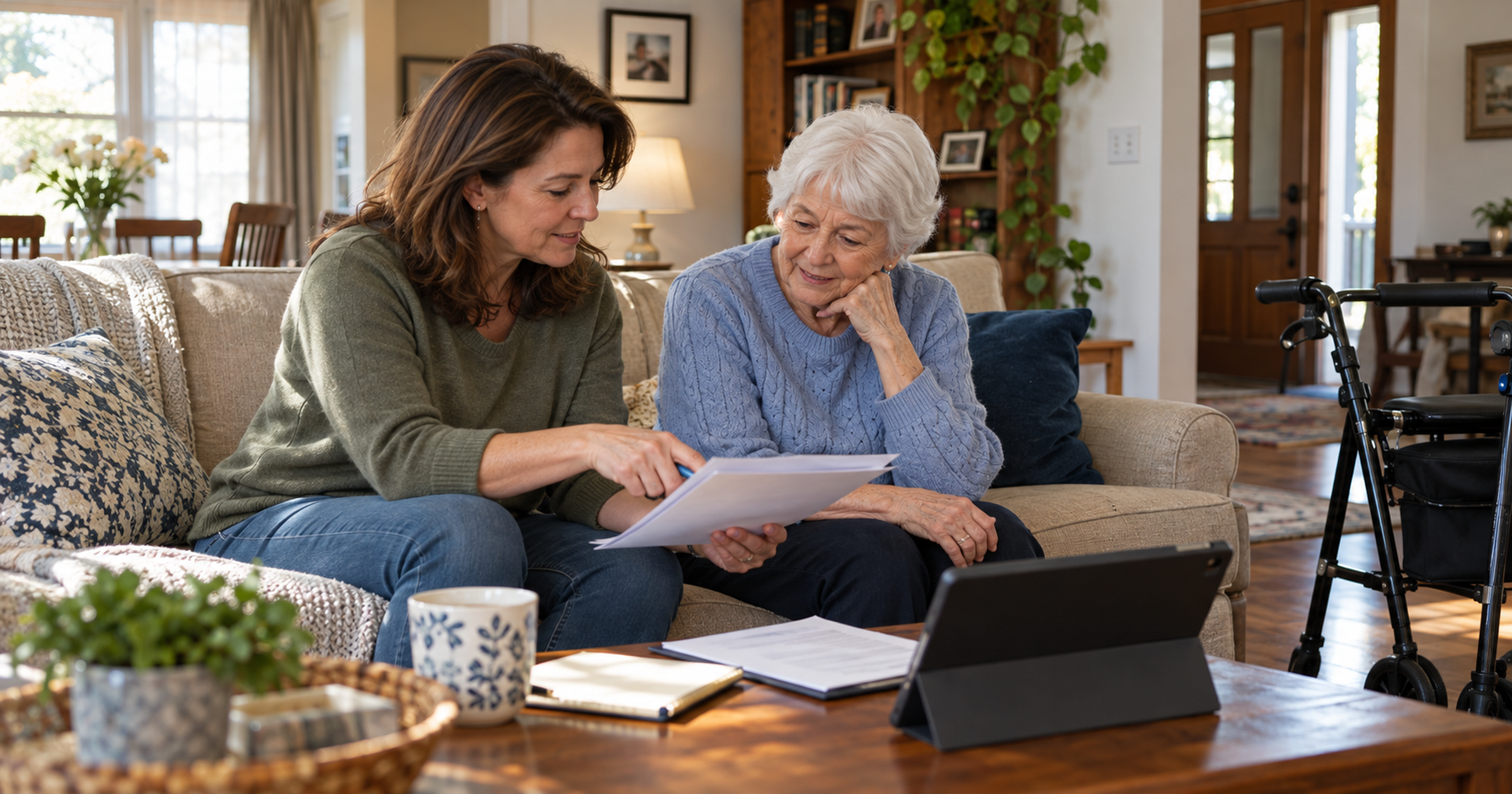

A cancer diagnosis changes life for the whole family. Treatments like chemotherapy, radiation, surgery, and immunotherapy can bring fatigue, nausea, appetite changes, and a long list of appointments. Much of the hard work of getting through treatment happens at home. Thoughtful cancer care at home can make each day a little easier.
Quick answer: Cancer care at home includes helping with transportation to treatment, managing side effects as the care team directs, preparing easy and nourishing meals, preventing infection, keeping track of medications and appointments, helping with daily tasks during low-energy days, and offering steady emotional support.
Every Cancer Journey Is Different
Side effects depend on the type of cancer, the treatment, and the person. Ask the oncology team what to expect, which side effects to report, and who to call after hours. Keep that information in one easy-to-find place. Many strategies in our chronic condition care guide apply here too.
Practical Ways to Help With Cancer Care at Home
Transportation and Appointments
Treatment schedules can be demanding, sometimes daily for radiation. Reliable rides, help in the waiting room, and someone to take notes during appointments are invaluable.
Managing Side Effects
- Fatigue: plan rest, spread tasks across the day, and help with tiring chores.
- Nausea: offer small, bland meals, and use anti-nausea medications as prescribed.
- Appetite changes: offer favorite foods, small frequent meals, and nutrient-dense snacks or shakes.
- Mouth sores: soft, cool foods and gentle oral care as directed.
- Neuropathy: watch for numbness that raises fall risk, and keep walkways clear.
Always follow the care team’s guidance and report new or worsening symptoms.
Nutrition
Eating well supports strength during treatment, but it’s often hard. A dietitian can help. Our nutrition for seniors article has easy meal ideas.
Preventing Infection
Some treatments weaken the immune system. Wash hands often, keep the home clean, limit visitors who are sick, follow food safety guidelines, and know the temperature that should prompt a call. Fever during chemotherapy can be an emergency, so call the oncology team right away.
Medications
Keep an updated list, use a pill organizer, and track side effects. See medication management tips.
Daily Tasks
On tough days, help with bathing, laundry, housekeeping, and errands can let your loved one save energy for healing and the things that matter to them.
Emotional Support
Cancer brings fear, uncertainty, and grief, along with moments of hope. Listen without trying to fix everything. Let your loved one decide how much to talk about their illness. Keep some normal routines and enjoyable activities. Counseling and cancer support groups can help patients and family members.
Caring for the Caregiver
Supporting someone through cancer treatment is exhausting, especially for spouses. Accept help, take breaks, and look after your own health. Respite care can give you time to rest.
When Needs Change
If treatment shifts toward comfort, palliative care can help at any stage, and hospice may be appropriate later. Learn more in our upcoming guide to palliative care vs. hospice.
Frequently Asked Questions
What can I do to help someone going through chemotherapy?
Offer rides, meals, help with chores, company during treatment, and a listening ear. Specific offers are easier to accept than “let me know if you need anything.”
Can home care help during cancer treatment?
Yes. Non-medical caregivers can help with transportation, meals, personal care, housekeeping, and companionship while the medical team handles treatment.
How Briggs Home Care Can Help
Briggs Home Care’s chronic conditions care supports people through cancer treatment with rides, nourishing meals, help with daily tasks, and compassionate companionship. Find a location near you or call 1-833-960-CARE (2273).
This article is general information, not medical advice. Follow the guidance of the oncology team.
Related Reading
- Start here: Living Well at Home With a Chronic Condition: A Family Guide
- Kidney Disease and Dialysis: How Home Care Helps
- Diabetes Care for Seniors: Daily Routines That Help
Trusted outside resource: National Institute on Aging