
Ask most older adults where they want to live as they age, and the answer is almost always the same: at home. Home holds routines, memories, neighbors, and a sense of control that’s hard to replace. Aging in place makes that possible, but it works best with a plan. This guide covers the essentials, from home safety to daily support, so you or someone you love can stay home safely and confidently for as long as possible.
Quick answer: Aging in place means continuing to live in your own home as you get older, safely and as independently as possible. Success depends on five things: a safe home, help with daily tasks when needed, good health management, social connection, and a plan for changing needs.
What Aging in Place Really Means
Aging in place isn’t about doing everything alone. It’s about having the right supports in the right places, so home stays a good fit even as needs change. For some people, that means grab bars and a weekly ride to the grocery store. For others, it means daily help with bathing and meals. The goal is the same: independence, dignity, and quality of life at home.

Pillar 1: A Safe Home
Falls are one of the biggest threats to independence for older adults, and many happen at home. A few practical updates can dramatically lower the risk.
- Clear walkways and remove loose rugs, cords, and clutter.
- Add bright lighting, including night lights between the bedroom and bathroom.
- Install grab bars near the toilet and in the shower, plus a non-slip mat and shower chair.
- Put handrails on both sides of stairs.
- Move frequently used items to waist-to-shoulder height to avoid ladders and stepstools.
We go room by room in our home safety checklist for seniors, and we focus on the highest-risk room in Bathroom Safety for Seniors.
Pillar 2: Help With Daily Living
Most people don’t need help with everything. They need help with a few things that have become harder or less safe. These are often grouped into two categories:
- Activities of daily living (ADLs): bathing, dressing, toileting, eating, and moving from bed to chair.
- Instrumental activities of daily living (IADLs): cooking, housekeeping, managing medications, shopping, driving, and handling money.
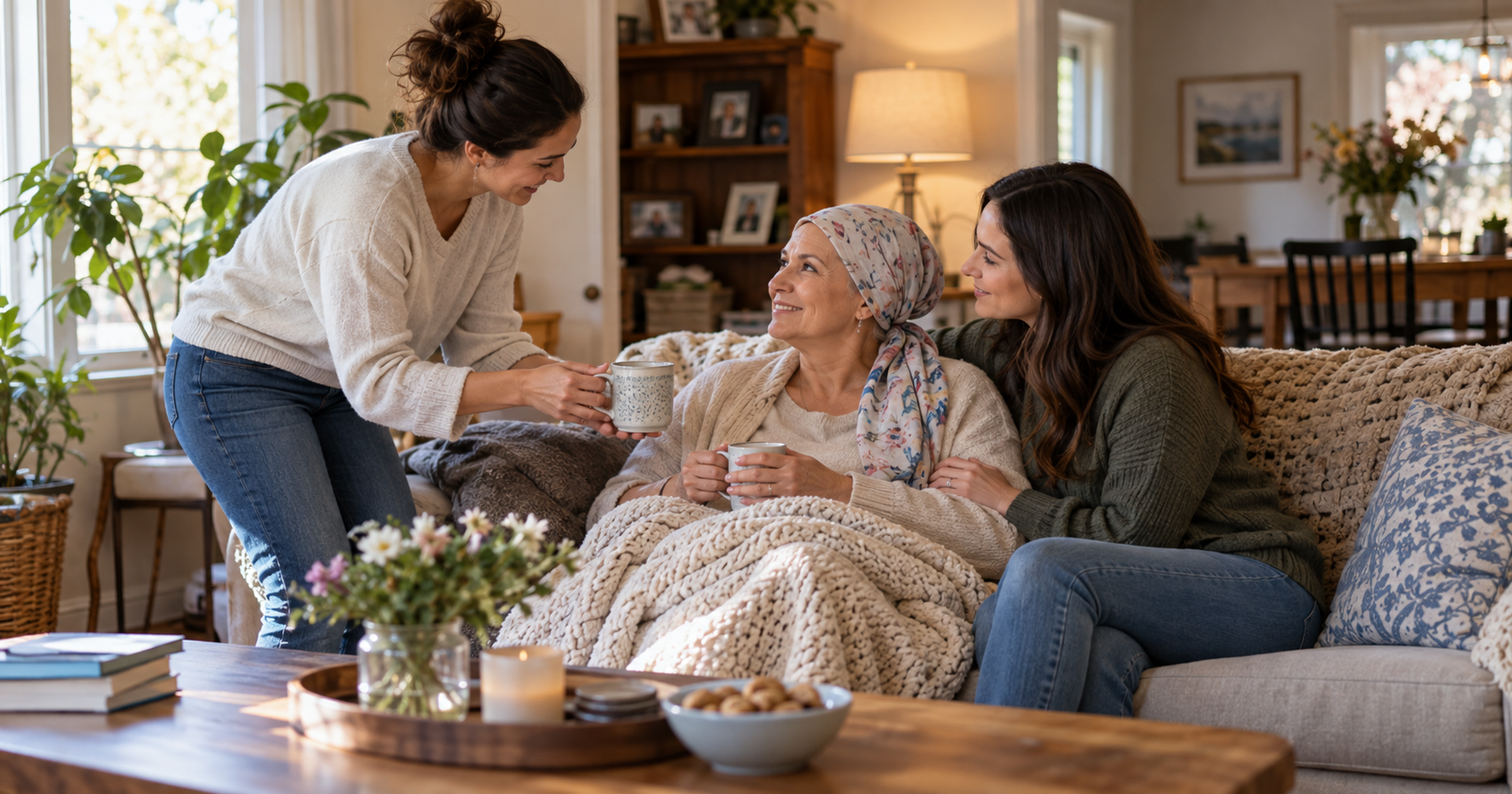
When a few of these become difficult, in-home personal care or companion care can fill the gaps without taking away independence. A caregiver might help with a morning shower and breakfast, then leave your loved one to enjoy the rest of the day on their own terms. Read how in-home care promotes independence for more.
Pillar 3: Health and Medication Management
Managing health at home becomes more complex with age, especially with more than one chronic condition. Staying on top of medications, appointments, and early warning signs prevents many emergencies.
- Use a weekly pill organizer or automated dispenser, and keep an updated medication list.
- Keep a calendar for appointments and arrange reliable transportation.
- Watch for changes in appetite, weight, sleep, mood, or mobility, and share them with the doctor.
- Stay active with safe, gentle movement to protect strength and balance.
Pillar 4: Social Connection
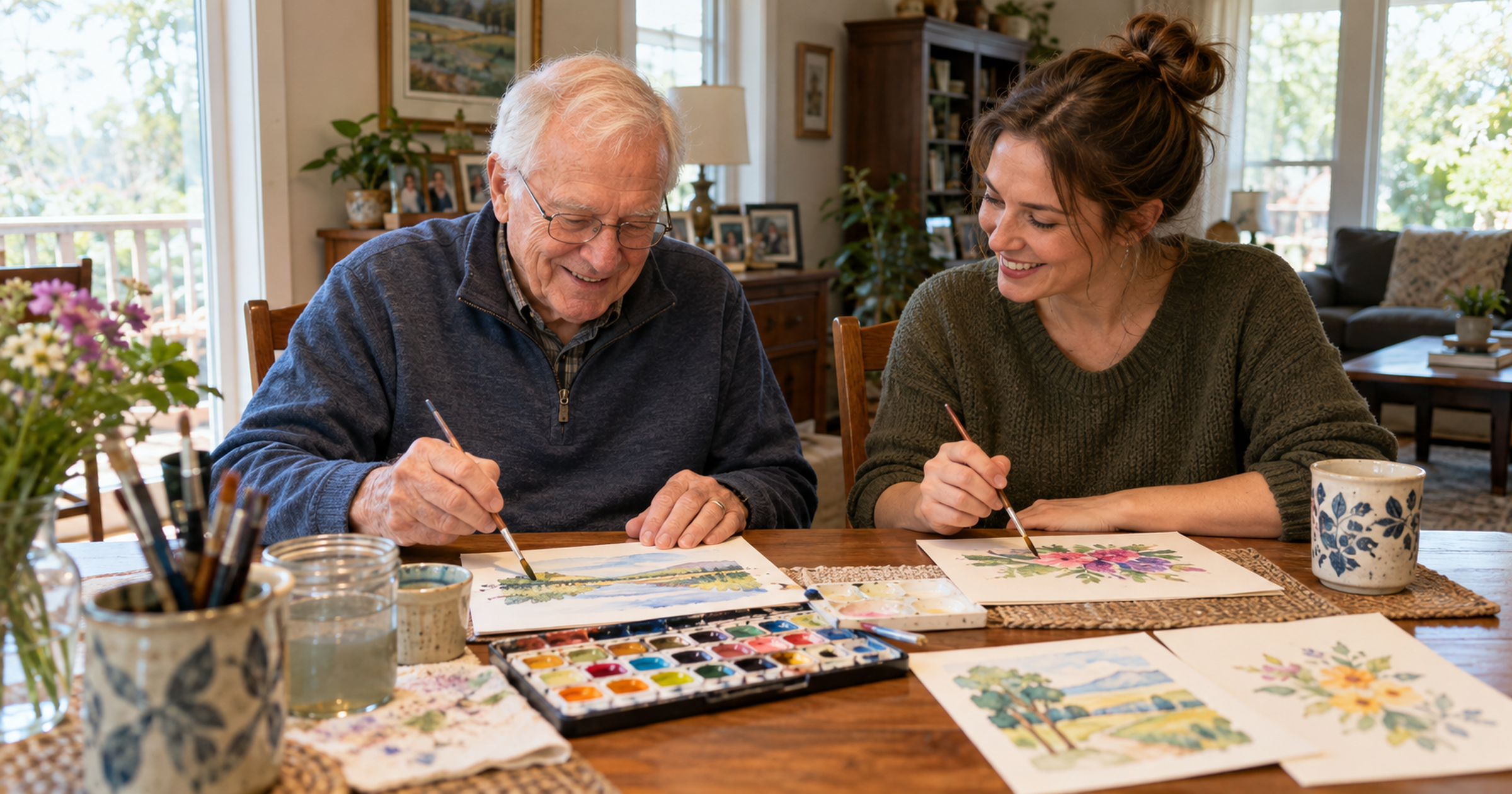
Loneliness can be as harmful to health as many physical conditions. When driving stops or friends move away, older adults can become isolated without anyone noticing. Regular visits, phone and video calls, community programs, faith communities, and companion care all help. Our article on the role of companionship in senior well-being explains why this matters so much.
Pillar 5: Planning Ahead
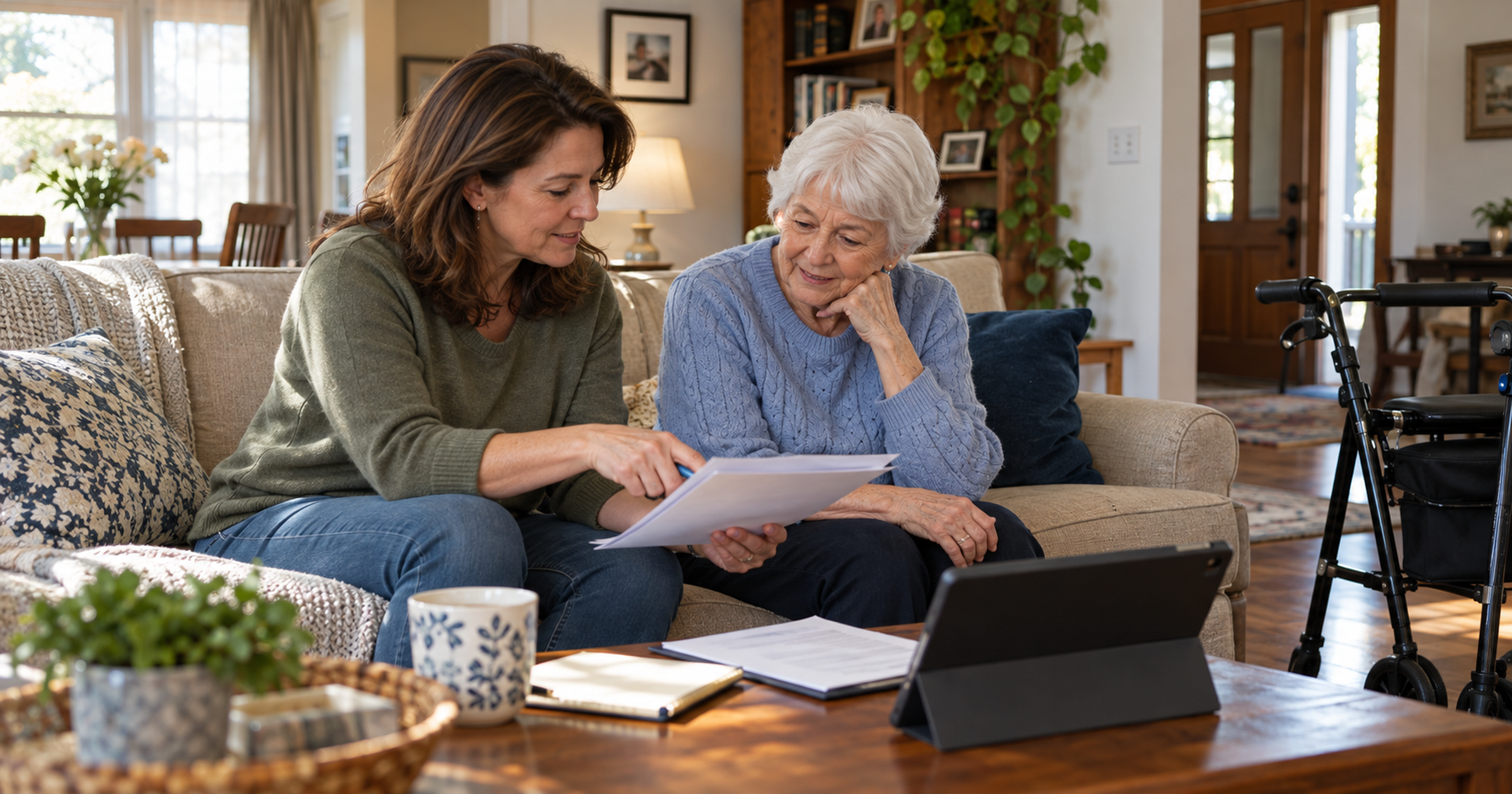
The most successful aging-in-place plans are made before a crisis. Talk early about wishes, finances, and what will happen if needs increase.
- Complete legal documents like a durable power of attorney and healthcare directive.
- Organize important papers so family can find them. Our guide to organizing documents can help.
- Review how you’ll pay for care if it’s needed. See how to pay for home care.
- Set up an emergency plan, including a medical alert option and a list of contacts.
Technology That Helps
Technology can make aging in place safer and easier. Medical alert devices with fall detection, video doorbells, smart speakers that set reminders, automatic lights, and simple tablets for video calls can all extend independence. The best technology is the kind your loved one will actually use, so keep it simple.
Signs Aging in Place Needs More Support
Aging in place works best when the plan grows with changing needs. Pay attention to signs like unopened mail, spoiled food in the fridge, missed medications, weight loss, new bruises, a messier home, or withdrawal from activities. These don’t mean your loved one has to move. They usually mean it’s time to add support. Our list of 10 signs your aging parent may need in-home care can help you decide.
Frequently Asked Questions
What is the best age to start planning for aging in place?
Earlier is better. Many people start in their 50s or 60s, especially when remodeling or moving, so safety updates and financial plans are in place well before they’re needed.
Is aging in place cheaper than assisted living?
It depends on how much help is needed. For people who need a few hours of support a day, home care is often comparable or less expensive. Around-the-clock care at home generally costs more. Our comparison of in-home care vs. assisted living walks through the trade-offs.
Can someone with dementia age in place?
Often, yes, particularly with a dementia-friendly home and trained caregivers. See our guide to dementia care at home.
How Briggs Home Care Can Help
Briggs Home Care helps older adults stay where they’re happiest: at home. From personal care like bathing and dressing to companionship, meals, and errands, our caregivers provide the right amount of support, never more than needed. Find a Briggs Home Care location near you or call 1-833-960-CARE (2273) for a free in-home assessment.
Explore More in This Series
This guide is the starting point for our aging in place & safety series. Dive deeper into specific topics:
- Winter Safety Tips for Older Adults Living at Home
- Bathroom Safety for Seniors: Simple Modifications That Prevent Falls
- Smart Home Technology for Aging in Place
- Medical Alert Systems: Who Needs One and What to Look For
- Protecting Seniors From Scams and Financial Exploitation
- Summer Heat Safety for Seniors
- Seniors Living Alone: Safety Checks Families Can Use
- Fall Prevention for Seniors: A Room-by-Room Plan
- What to Do After an Elderly Parent Falls
- Emergency Preparedness for Seniors Living at Home
- When Should a Senior Stop Driving? Signs and Next Steps
Trusted outside resource: National Council on Aging