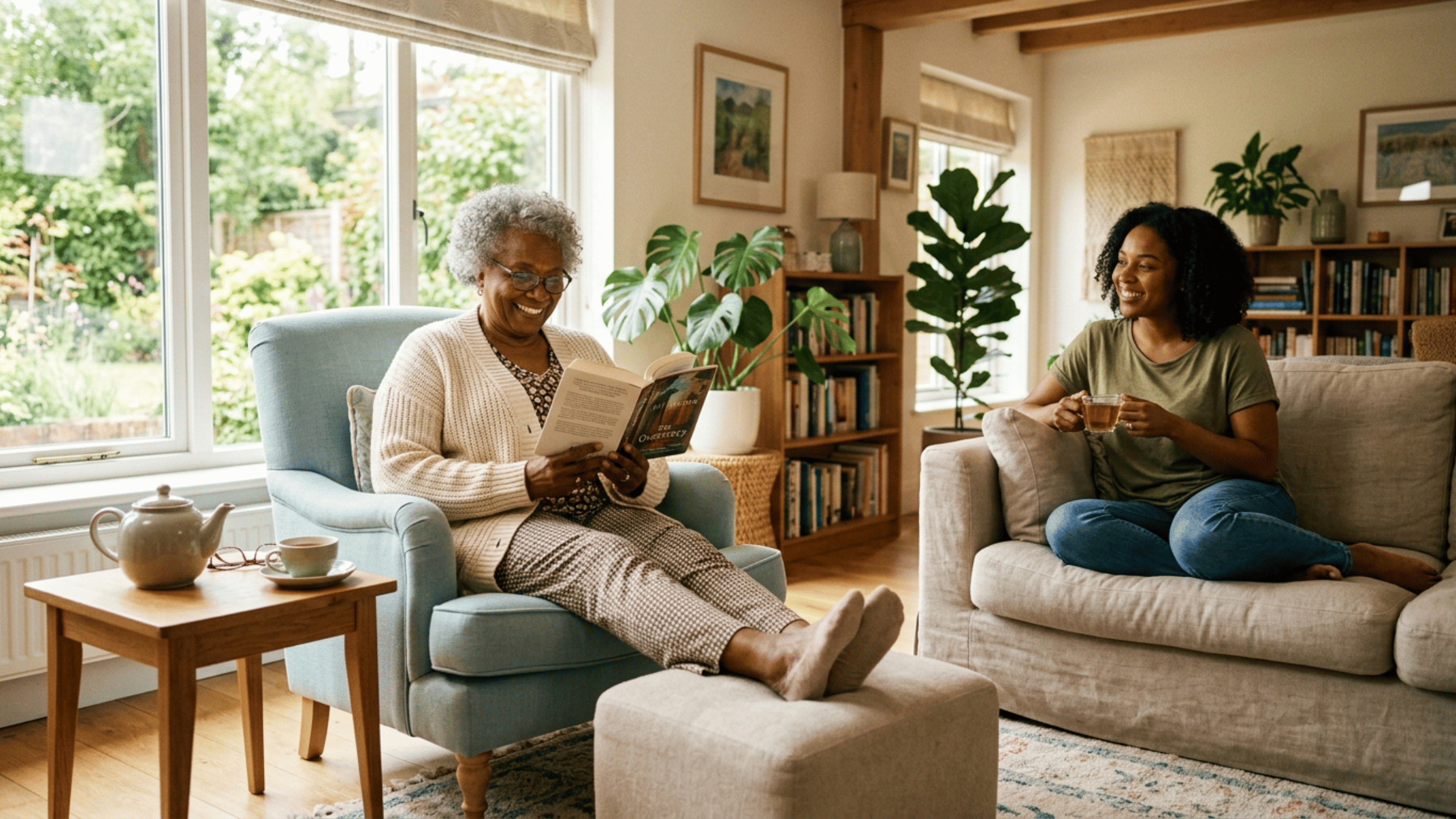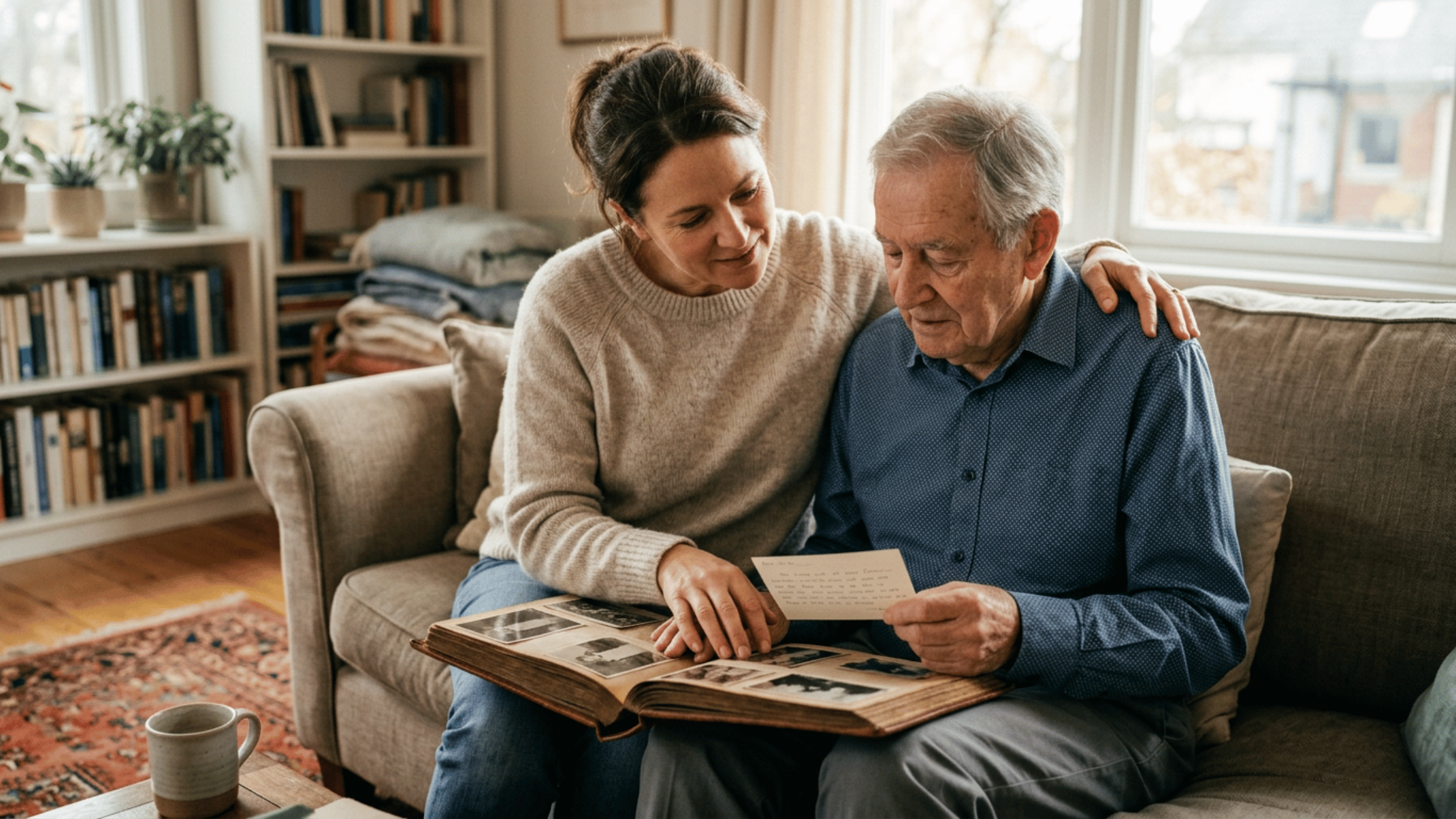

Most older adults deeply desire to age in place, surrounded by the familiar sights and sounds they have cherished for decades. The house they love holds countless family memories and represents their personal freedom. However, the spaces that once provided total comfort can quietly become difficult to navigate as physical mobility changes. A stray rug or a dim hallway can suddenly turn into a serious safety risk.
You do not have to undertake a massive, expensive renovation to keep your loved one secure. A few practical, targeted modifications can make an incredible difference in preventing accidents and promoting daily comfort. Taking these proactive steps allows your aging parent to navigate their living space with confidence.
In this comprehensive guide, we will explore practical steps to remove common hazards and improve overall accessibility. You will learn specific room-by-room strategies, from upgrading lighting to installing bathroom grab bars. Finally, we will highlight how introducing trusted local care can further maintain a safe, comfortable, and independent lifestyle for your parent.
The Importance of Proactive Home Safety
Accidental falls are one of the leading causes of injury among older adults. These incidents often lead to a sudden loss of mobility, increased family stress, and a heartbreaking decline in confidence. Taking time to assess your parents’ living space helps prevent these preventable setbacks before they occur. It is always better to make small changes today than to react to an emergency tomorrow.
Creating a secure environment does more than just prevent physical injuries. It directly supports your loved one’s emotional well-being and dignity. When seniors feel steady on their feet and can easily reach the things they need, their anxiety diminishes. They can continue to enjoy their daily routines without constantly having to ask for help or feeling vulnerable in their own home.
For adult children, setting up a secure living space provides immense peace of mind. Knowing that the hallways are well-lit and the bathroom is properly equipped allows you to breathe easier when you cannot be there. This proactive approach lets you focus on enjoying quality time with your parent rather than constantly worrying about their physical safety.
A Room-by-Room Guide to Fall Prevention
Every room in a house presents unique challenges for an aging adult. Breaking the safety assessment down room by room makes the process much more manageable. By focusing on specific high-traffic areas, you can quickly eliminate the most common hazards.
Securing the Living Room and Walkways
The living room is often the central hub of daily activity, but it can also collect the most clutter. Start by walking through the main pathways your parent uses to get to the kitchen, bathroom, and bedroom. Ensure these walkways are completely clear of low furniture, electrical cords, and decorative items. A wide, unobstructed path is essential for anyone using a cane or a walker.
Throw rugs are one of the most dangerous tripping hazards in any home. The edges easily catch on shoes or mobility devices, leading to sudden falls. It is best to remove small decorative rugs entirely from the living space. If your parent insists on keeping a larger area rug, secure it firmly to the floor with heavy-duty double-sided carpet tape to prevent the edges from curling.
Pay close attention to the seating in the living room. Chairs and sofas that are extremely low or overly soft can be incredibly difficult to get out of. Consider adding firm cushions to raise the seating height, or invest in a sturdy chair with solid armrests. Having a stable place to push off from makes standing up much safer and requires less physical exertion.
Upgrading the Bathroom for Total Safety
The bathroom is widely considered the most hazardous room for older adults due to hard surfaces and slippery floors. Fortunately, it is also the room where simple modifications yield the highest safety returns. Start by installing non-slip rubber mats or adhesive strips inside the bathtub or shower stall. Place another secure, non-slip mat outside the tub to provide a safe landing spot for wet feet.
Installing heavy-duty grab bars is an absolute necessity. Place them inside the shower enclosure, right next to the toilet, to assist with sitting and standing. Never rely on towel racks or soap dishes for support, as these fixtures are not designed to bear human weight and will pull out of the wall. Professionally installed grab bars provide a reliable, sturdy grip that helps prevent devastating bathroom slips.
Consider adding a sturdy shower chair and a hand-held showerhead to the bathing area. Standing in a warm shower for ten minutes can cause fatigue or dizziness for a senior. A shower chair allows them to bathe comfortably while seated, preserving their energy and their dignity. Additionally, raising the toilet seat height with an easy-to-install adapter can significantly reduce the strain on their knees and hips.
Organizing the Kitchen for Easy Access
A functional kitchen encourages seniors to prepare their own meals and stay well-nourished. The key to kitchen safety is accessibility. You want to eliminate the need for your parent to use a step stool or bend over uncomfortably. Move the most frequently used items, like favorite mugs, daily plates, and dry goods, to waist-level shelves and countertops.
Heavy pots, pans, and large appliances should be stored in easily accessible lower cabinets, preferably those with pull-out drawers. This prevents your parent from losing their balance while trying to lift heavy items above their head. If they love to cook, ensure that all cooking utensils are within an arm’s reach of the stove to minimize unnecessary movement while handling hot food.
Check the lighting in the kitchen, specifically under the cabinets and over the stove. Good task lighting is crucial for safely chopping food and reading medication labels. Also, take a moment to inspect the pantry and refrigerator, discarding any expired food to protect their digestive health.
Making the Bedroom a Restful Sanctuary
Your parents’ bedroom should be a calm, secure place to rest. The transition from lying down to standing up is a common time for dizzy spells and loss of balance. Ensure the bed is at an appropriate height; when sitting on the edge of the mattress, your parent’s feet should rest flat on the floor with their knees bent at a ninety-degree angle.
Keep a sturdy nightstand right next to the bed, equipped with a lamp within reach, a telephone, and a glass of water. If your parent needs to get up in the middle of the night to use the restroom, they should never have to navigate in the dark. A clear, heavily illuminated path from the bed to the bathroom is critical for nighttime safety.
Consider placing a soft, motion-activated nightlight under the bed frame. The moment your parent swings their legs over the edge of the bed, the floor will gently illuminate. This provides immediate visual orientation without the harsh glare of an overhead light, greatly reducing the risk of a late-night fall.
Improving Overall Home Lighting and Visibility
As we age, our eyes require significantly more light to distinguish objects and see changes in floor texture. Poor lighting easily disguises steps, thresholds, and obstacles. Take a walk through the home in the evening to identify shadowy corners and dim hallways.
Replace low-wattage bulbs with brighter, glare-free LED options throughout the entire house. Focus heavily on staircases, ensuring that both the top and bottom steps are brightly illuminated. Installing motion-sensor lights in hallways and stairwells is a brilliant way to keep the area well-lit without requiring your parent to fumble for a light switch.
Do not forget the exterior of the home. Ensure the pathway from the driveway to the front door is clear and well-lit. If there are steps leading up to the porch, they should be clearly marked and equipped with sturdy handrails on both sides to ensure safe entry and exit in rainy or icy weather.
How Compassionate Daily Assistance Enhances Safety
Even with a perfectly modified house, the physical challenges of aging remain. This is where introducing in-home care transforms a safe house into a truly supportive environment. Caregivers provide an essential layer of active protection that static home modifications simply cannot match.
Having a reliable professional visit the home provides continuous monitoring of the living space. Caregivers easily spot new hazards that might naturally occur, like a newly spilled drink on the kitchen floor or an overflowing laundry basket blocking a hallway. By handling light housekeeping, they keep the environment consistently clean, organized, and entirely free of clutter.
More importantly, a caregiver offers a steadying presence during daily activities. They provide gentle physical guidance when your parent is walking, transferring from a chair, or stepping into the shower. This compassionate daily assistance significantly reduces the fear of falling, empowering your loved one to move about their day with confidence and dignity.
Secure Your Family’s Peace of Mind with Briggs Home Care
Creating a safe living space is the first crucial step in ensuring your aging parent can comfortably enjoy their in-home independence. By removing hazards, improving lighting, and organizing daily essentials, you protect their physical well-being and preserve their beloved routine. However, you do not have to manage their ongoing safety entirely on your own.
Briggs Home Care offers tailored, flexible care that fits your life. Our trustworthy caregivers provide the hands-on support and watchful eye needed to maintain a consistently safe environment. Whether you need someone to assist with daily mobility, manage light housekeeping, or simply offer meaningful companionship, we deliver support that feels like family.
Give your loved one the ultimate gift of safety and dignity in the home they cherish most. Contact Briggs Home Care today to schedule a consultation. Let us help you build a personalized plan that ensures lasting independence for seniors and true family peace of mind.